Source Foldable Wind Resistant Camping Stove for Hiking, Backpacking, and Picnics
Explore 30 options for a foldable wind resistant camping stove designed for outdoor enthusiasts. Compare features like stainless steel construction, CE certification, and portable designs suitable for hiking, backpacking, and group camping trips; compare the available evidence and request quotations based on your requirements.
Key considerations
Products List




Comprehensive Sourcing Guide
Foldable Wind Resistant Camping Stove Sourcing Guide
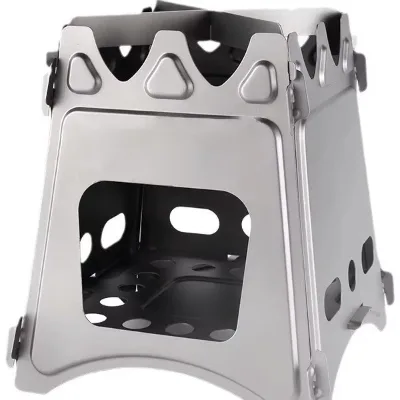
Buyers seeking foldable wind-resistant camping stoves must first distinguish between lightweight backpacking units and larger freestanding models designed for group use. The observed market data indicates a wide spectrum of product sizes, ranging from compact 150mm units suitable for solo hikers to substantial 2435mm tall structures intended for stationary outdoor cooking. Understanding this distinction is critical, as the engineering requirements for wind resistance in a 1kg portable stove differ significantly from those needed for a 20kg freestanding unit.
Procurement decisions should also account for the specific material composition and finishing processes observed in current listings. Stainless steel and general metal constructions are prevalent, often featuring a "not coated" finish which impacts durability and cleaning requirements. Buyers must verify if the folding mechanism and wind-resistant design are integrated into the stove body or rely on external accessories, as this affects the overall weight and the ease of assembly in adverse weather conditions.
Product Scope and Observed Listing Signals
The current product landscape includes distinct categories such as charcoal grills and firewood stoves, each serving different culinary and logistical needs. Listings reveal specific models like the VDCS180 and VDCSBBQ150, which are explicitly designed for hiking, backpacking, and outdoor camping applications. These units often come with features like flame safety devices and are packaged in cloth bags or color boxes, indicating a focus on portability and protection during transit.
Signal analysis shows that while some units are marketed as "classic" style with black finishes, others prioritize functional attributes like wind resistance and foldability. The presence of models with dimensions reaching 243.5cm in height suggests a segment of the market catering to larger groups or semi-permanent setups. Buyers should carefully cross-reference the "folding" and "portable" attributes against the actual dimensions to ensure the product fits the intended transport method, whether it is a backpack or a vehicle trunk.
Technical Specifications to Verify
When evaluating technical specifications, the physical dimensions and weight are primary indicators of suitability for the intended application. Observed standards include compact models measuring 150x150x170mm weighing 0.9kg, alongside larger units with a net weight of 20kg and assembled heights of 2435mm. Buyers must verify that the stated dimensions match the actual folded size to ensure the stove can be transported within the constraints of their gear or vehicle.
The structural integrity of the stove body and flue system requires close inspection, particularly regarding wind resistance capabilities. Specifications such as a flue size of 60mm diameter and 300mm length are critical for models designed to operate in windy environments. Procurement teams should confirm that the assembly size and stove body size align with the advertised wind resistance claims, ensuring that the connection points and stability mechanisms are robust enough to prevent tipping or flame interruption during use.
Compliance and Safety Documentation
Safety documentation is paramount when sourcing equipment that involves open flames and high temperatures. The observed listings include certifications such as CE, RoHS, EMC, GS, and ITS, which indicate adherence to various regional safety and environmental standards. Buyers must request valid certificates for each specific model to ensure that the safety devices, such as flame safety mechanisms and overheating protection, have been independently tested and verified.
Beyond general certifications, specific safety features like the absence of remote controls and the presence of adjustable thermostats must be documented clearly. The lack of automatic thermostats in some models suggests a manual operation requirement, which buyers should communicate to end-users to prevent misuse. Ensuring that the safety documentation covers the specific installation type, whether freestanding or portable, is essential for liability management and user safety in outdoor environments.
Cost Drivers and Commercial Terms
Cost structures for these stoves are heavily influenced by material choices, specifically the use of stainless steel versus other metals, and the complexity of the folding mechanism. The observed price range of 0.89 to 118.65 USD reflects the disparity between basic, lightweight units and more complex, larger freestanding models with extensive safety features. Buyers should analyze the cost per kilogram and the value added by features like wind resistance to determine the most economical option for their specific use case.
Commercial terms, including Minimum Order Quantities (MOQ) and packaging requirements, vary significantly across the supplier base. While some listings indicate an MOQ of just 1 piece, others may require larger volumes, and packaging ranges from simple cloth bags to sturdy cartons. Understanding the lead times and the specific packing standards, such as carton dimensions of 65x37x36 cm, is vital for logistics planning and inventory management, especially when importing from origins like Shenzhen, Guangdong.
Supplier Qualification and Quality Control
Supplier qualification should focus on the manufacturer's ability to consistently produce units that meet the observed technical standards and safety certifications. Given the origin of many products in Shenzhen, China, buyers should verify the supplier's production capacity and quality control processes to ensure that the "not coated" finishing and metal types remain consistent across batches. A robust QC plan is necessary to prevent defects in the folding mechanisms and wind-resistant structures that could compromise safety.
Quality control checks must also address the assembly process and the final product's stability. Since many units are described as "easily assembled," the instructions and hardware quality must be verified to ensure that users can set up the stove quickly and securely in the field. Inspecting the finished goods for structural integrity, particularly the flue connections and base stability, is essential to maintain the product's reputation and ensure it performs as advertised in real-world camping scenarios.
Long-Term Procurement Checks
Long-term procurement success depends on establishing a reliable supply chain that can adapt to changing market demands and regulatory updates. Buyers should monitor the supplier's ability to maintain certification status, such as CE and RoHS, as these requirements can evolve over time. Regular audits of the production line and periodic re-testing of samples are necessary to ensure that the product continues to meet the safety and performance standards initially agreed upon.
Sustainability and after-sales support are also critical factors for long-term partnerships. Buyers should assess the supplier's commitment to providing replacement parts for folding mechanisms or flue components, which are prone to wear and tear. Additionally, verifying the supplier's responsiveness to feedback regarding product performance, such as wind resistance issues or assembly difficulties, will help maintain a high-quality product line and ensure customer satisfaction in the competitive outdoor equipment market.
FAQs
Can I customize the foldable wind resistant camping stove design?
Yes, customization is available for these portable stoves. Buyers can request specific modifications to meet unique operational needs. This flexibility allows for tailored solutions in outdoor camping and hiking scenarios. The classic style and black color options provide a versatile aesthetic. Customization ensures the equipment aligns perfectly with specific brand or functional requirements for professional use.
What certifications do these camping stoves hold?
These stoves hold multiple certifications including CE, RoHS, EMC, GS, and ITS. These credentials ensure compliance with international safety and environmental standards. The CE and RoHS marks are particularly common for European market access. Such certifications provide assurance regarding product safety and quality. Buyers can rely on these verified standards when sourcing equipment for global distribution or professional outdoor applications.
How does the wind resistance feature work?
The stove features a dedicated wind resistance design to maintain stable performance outdoors. This is crucial for reliable cooking in various weather conditions. The sturdy metal construction, often stainless steel, supports this functionality. The wind-resistant structure helps retain heat efficiently. This feature ensures consistent performance for hiking and backpacking activities, making it a practical choice for outdoor enthusiasts.
What is the typical MOQ for these stoves?
The minimum order quantity is typically 1 piece. This low MOQ allows buyers to test products or order small batches. It reduces initial investment risks for new suppliers or small businesses. The flexible ordering policy supports diverse procurement needs. Buyers can start with minimal quantities before scaling up orders based on market demand and product performance evaluations.
What are the standard dimensions for these models?
Standard dimensions vary by model, such as 150x150x170mm or 155x155x180mm. Some larger units measure up to 59.5x27.4x243.5cm. These sizes accommodate different group capacities, from individual use to groups of three to four persons. The compact folded size ensures portability. Buyers should check specific model specifications to ensure the dimensions fit their storage and transport requirements.
Is the stove easy to assemble and transport?
Yes, the stove is designed to be easily assembled and folded. The folding mechanism enhances portability for hiking and camping trips. It often comes in a cloth bag or color box for convenient storage. The concise design ensures it is lightweight and compact. This ease of use makes it ideal for outdoor activities where quick setup and efficient packing are essential for a smooth experience.